Why planned maintenance pays
A vehicle that breaks down on a motorway costs far more than the repair: the recovery, the missed delivery, the driver's hours and sometimes the customer. A vehicle that comes in on schedule costs a planned slot. The aim of planned maintenance is simple: find the worn part before it fails, at a time you chose.
Our guide to planned preventative maintenance for HGV fleets goes into the numbers, but the principle is the same for one vehicle or forty.
What a service covers
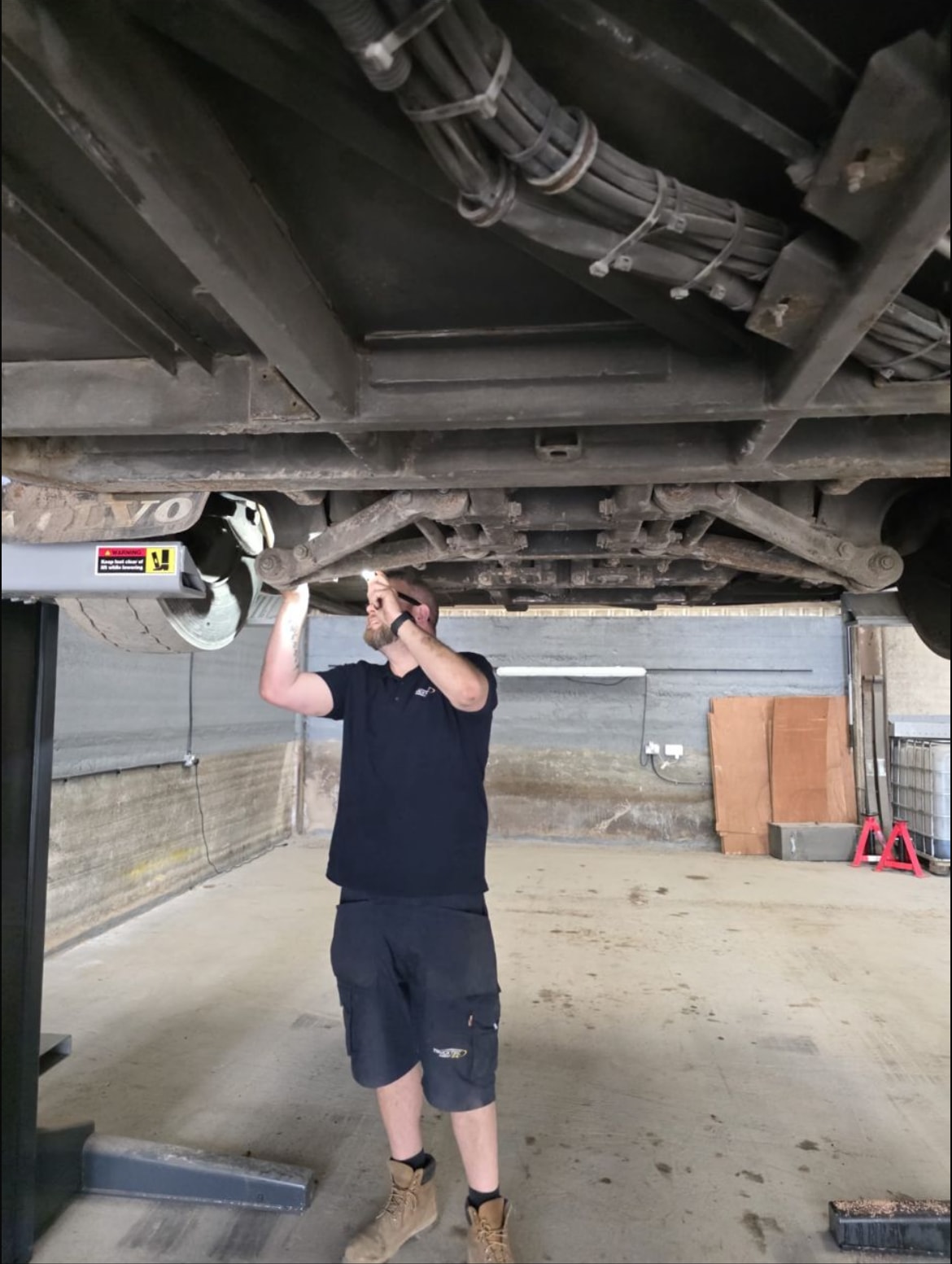
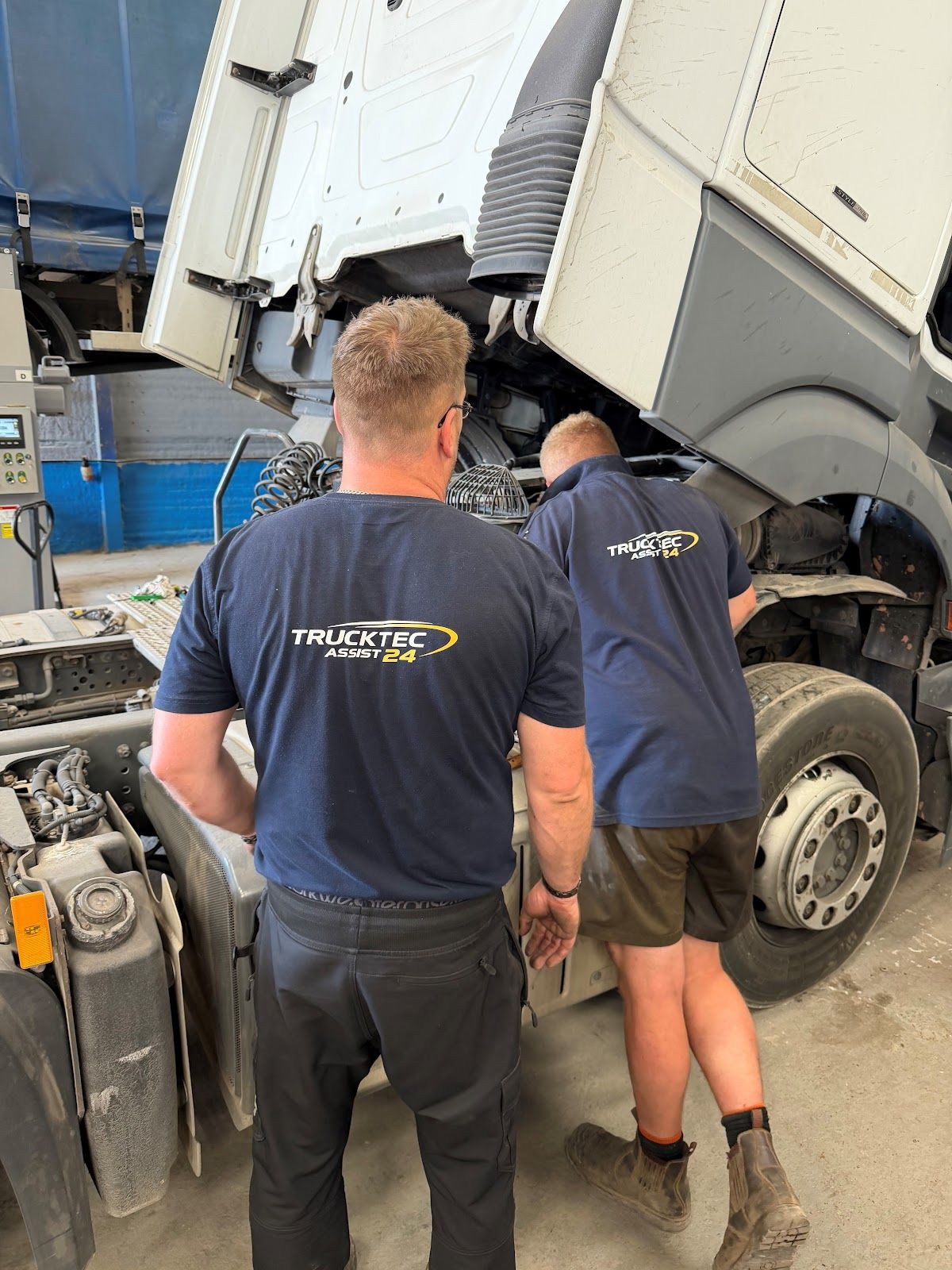
Every vehicle is different, so a service follows the manufacturer's schedule and what we know about how the vehicle is used. As a rule it includes:
- engine oil, filters and fluids
- belts, hoses and the cooling system (see coolant system faults)
- brakes and the air system
- steering, suspension and wheels
- lights, wiring and the charging system (see alternator and battery checks)
- the drivetrain, including the clutch and gearbox (see gearbox and transmission faults)
Anything we find that isn't urgent is written up as an advisory, with an honest view on how soon it needs doing, so you can plan the work rather than being surprised by it.
Servicing and inspections on one schedule
Servicing and PMI safety inspections are different jobs, but there is no reason for a vehicle to come off the road twice when once will do. Where the intervals line up, we book them together so the vehicle is serviced, inspected and signed off in one visit.
Coaches, minibuses and specialist vehicles
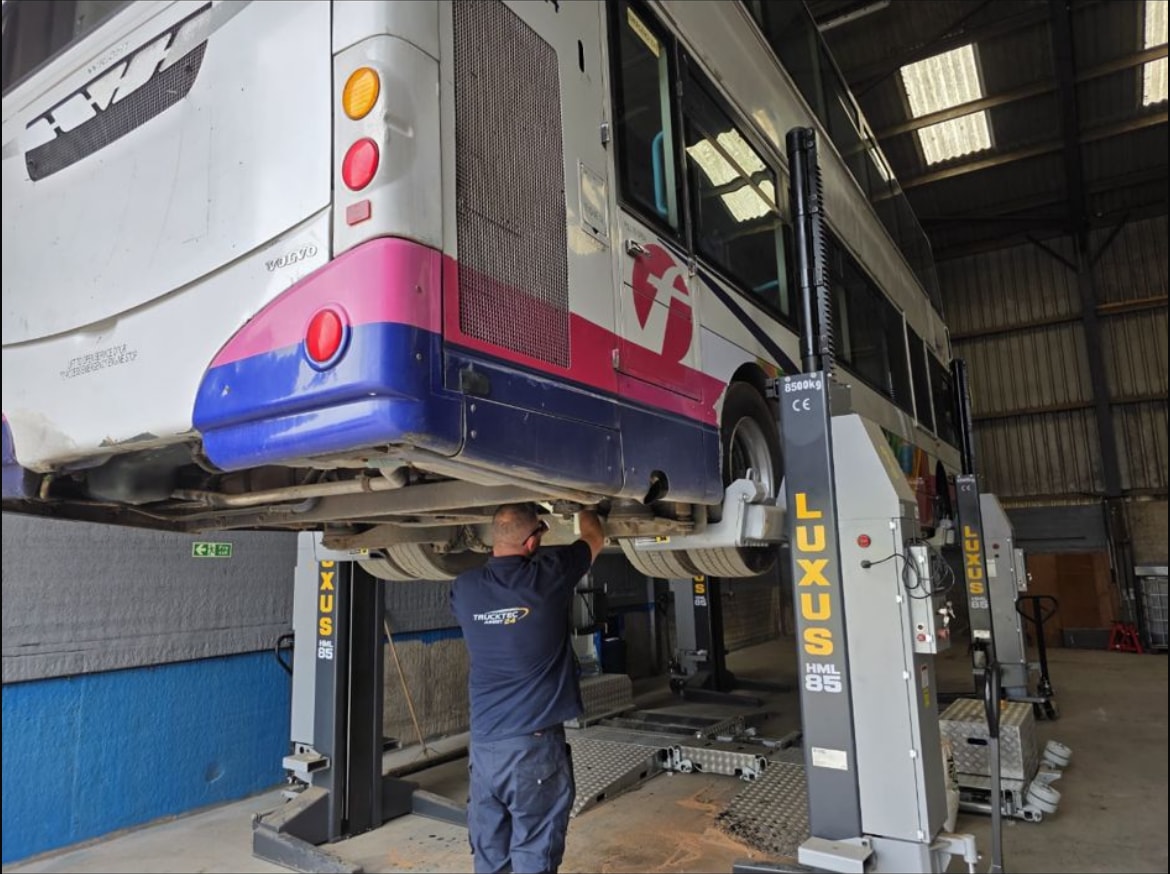
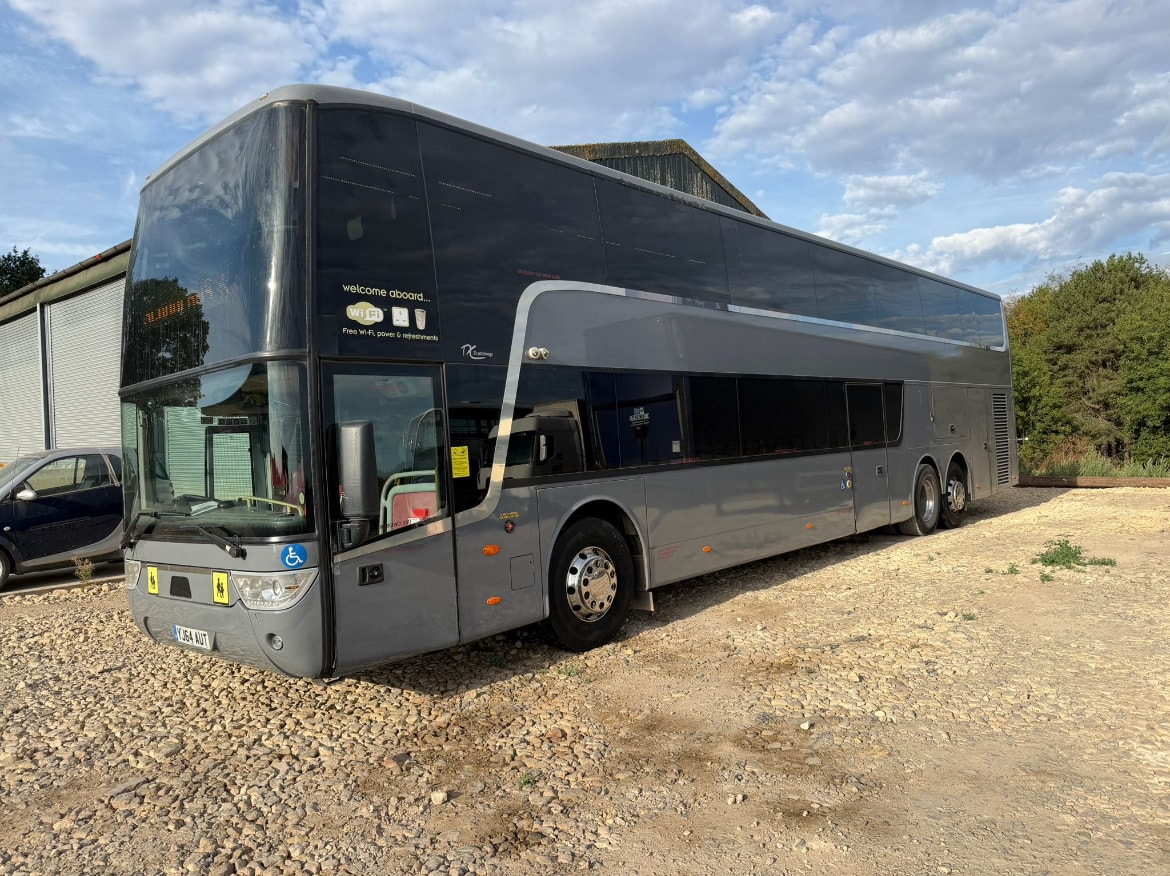
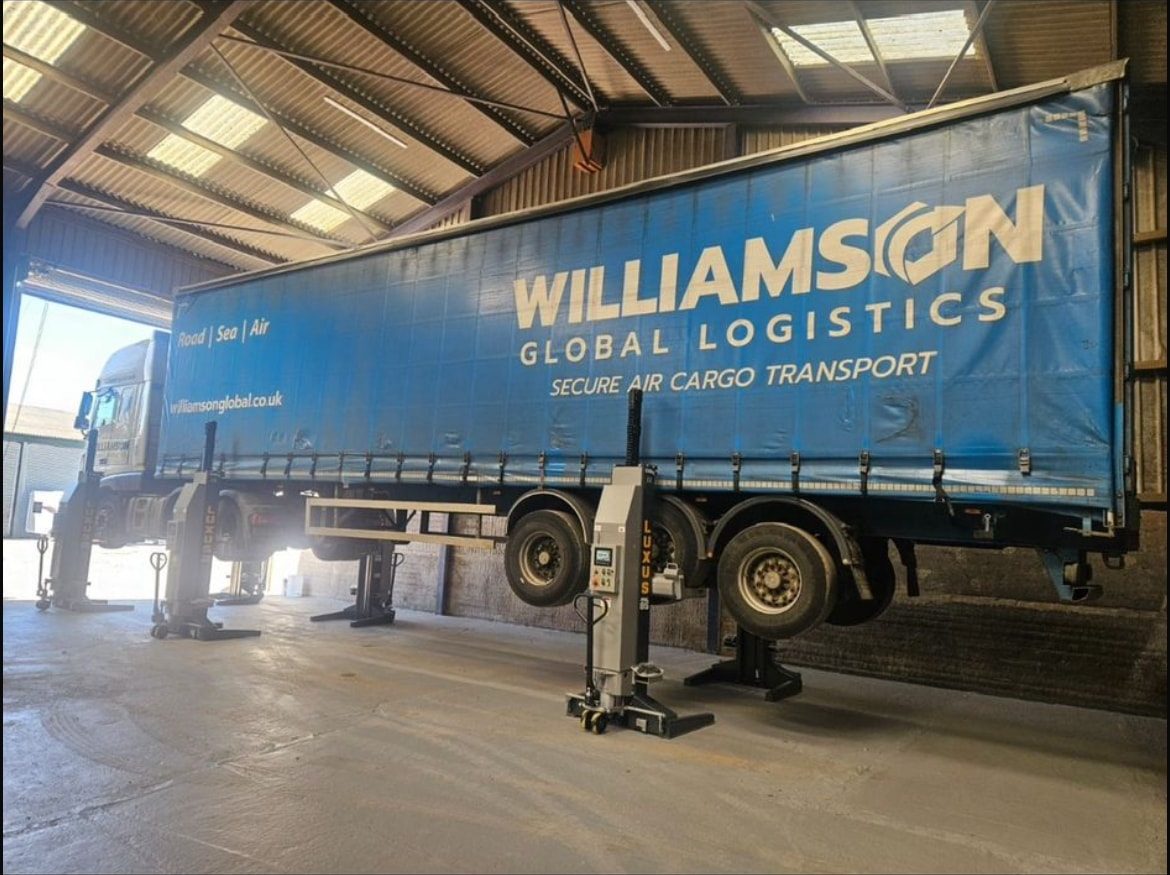
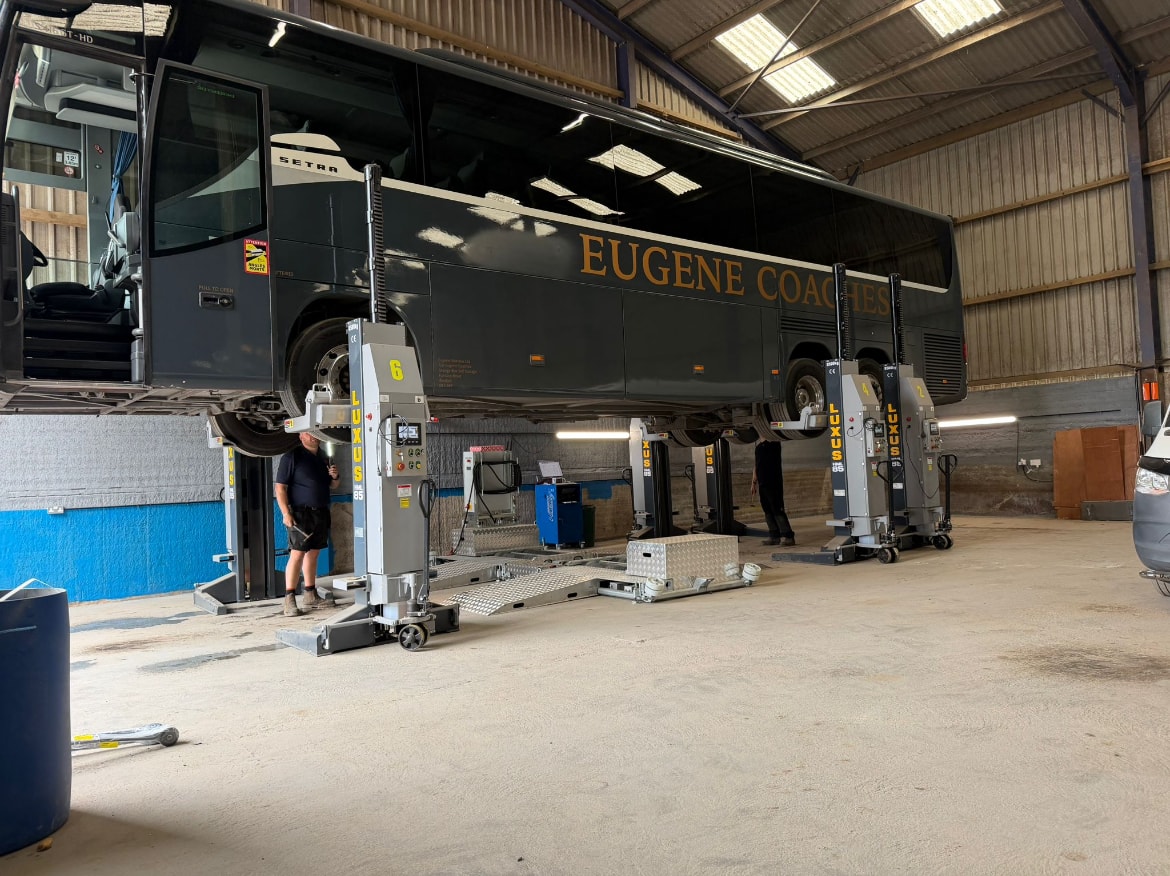
The workshop handles more than trucks. Coaches and minibuses go up on the same lifts, and we look after specialist vehicles including emergency-service vehicles, where reliability matters as much as anywhere. See our coach and minibus repairs page for more.
Signs a vehicle needs attention before its service
Some things shouldn't wait for the next service date. Ring us if a driver reports:
- warning lights that come and go, or a loss of power
- the vehicle pulling under braking, or a brake that feels different
- air pressure taking longer than usual to build
- coolant or oil levels dropping between checks
- new noises, vibrations or a change in how the gearbox or clutch feels
- lights or electrics behaving oddly, especially in cold or wet weather
Catching these early is usually the difference between a planned repair and a breakdown.
Getting ready for the seasons
Cold weather finds weak batteries, tired starter motors, fuel problems and lighting faults. Hot weather finds cooling systems and air conditioning. Planned maintenance is a good time to get ahead of both: checking batteries and charging before winter, and cooling systems before summer. Our guides to no-start and fuel contamination problems and coolant system faults explain what to look for.
How service intervals are set
Service intervals start with the manufacturer's schedule, by distance, hours or time, whichever comes first. How a vehicle is used changes the picture: stop-start urban work, heavy loads, off-road sites and long idling all wear a vehicle faster than steady motorway miles. We set the schedule around how your vehicles actually work, and review it if we see the wear running ahead of plan.
Booking a service
Ring 01332 916028 or use the form below to book. Tell us the vehicle, its mileage or hours, and when it is due, and we will find a slot that fits your schedule. If you run several vehicles, a fleet maintenance contract puts the whole fleet on a planned schedule so you don't have to chase dates.
Where to find us
The workshop is at Calke Mill Farm, Ashby Road, Melbourne, Derby DE73 8BJ, a short run from the A50, A42 and junction 23a of the M1, and open for planned work Monday to Friday, 07:30 to 17:00.