Why brakes need more than a visual check
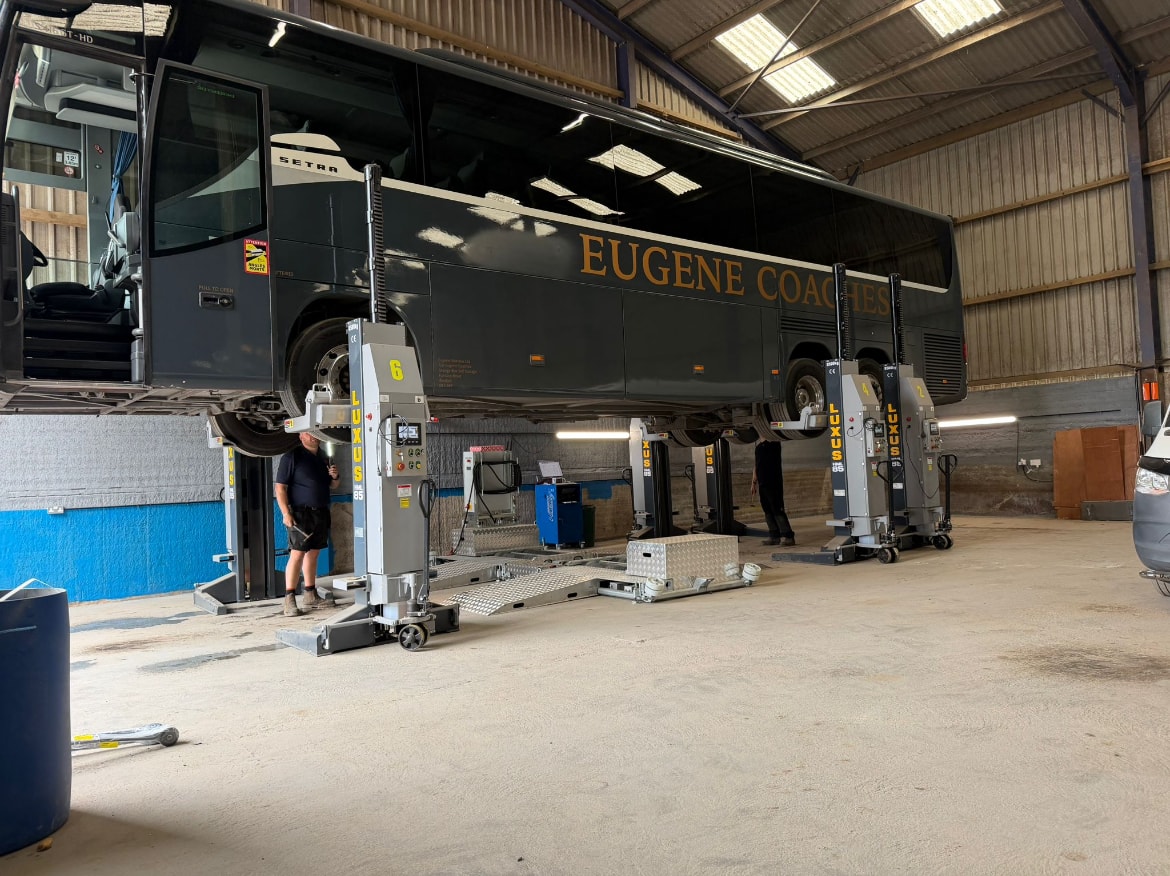
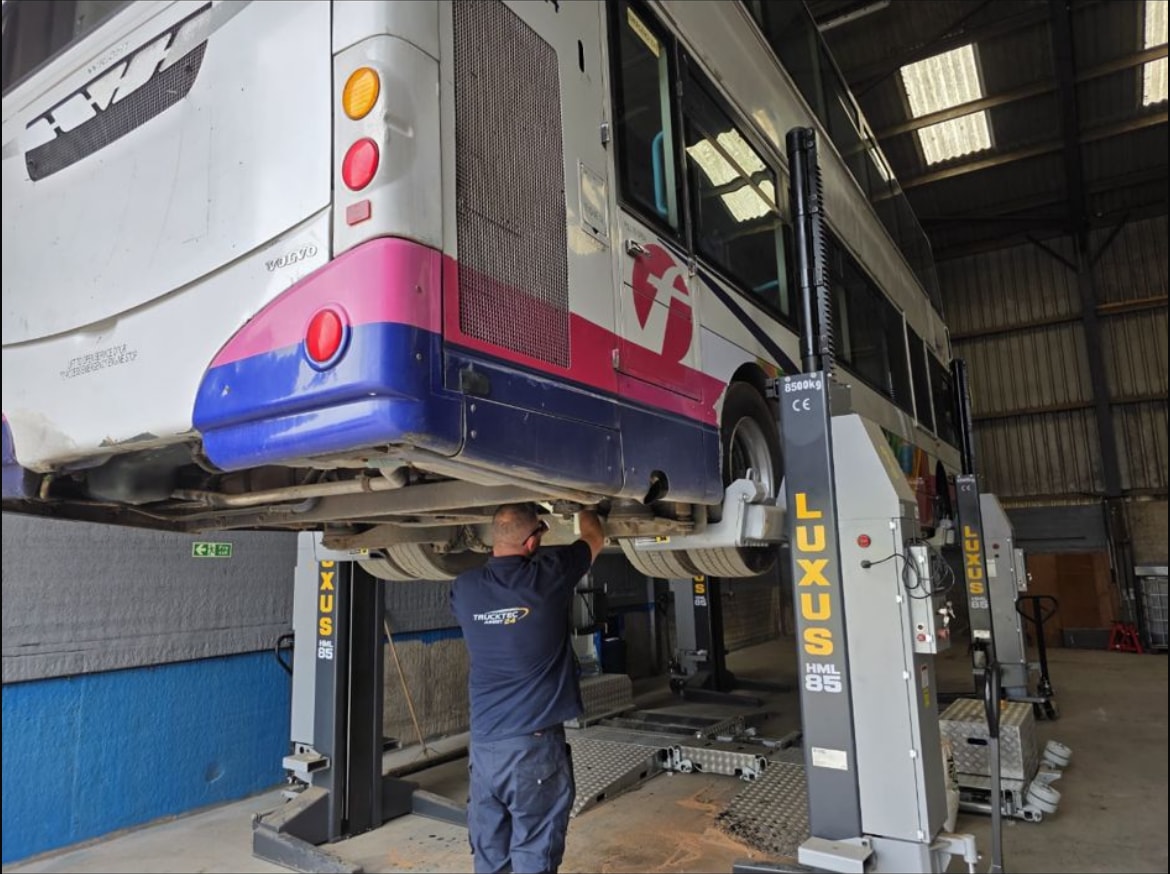
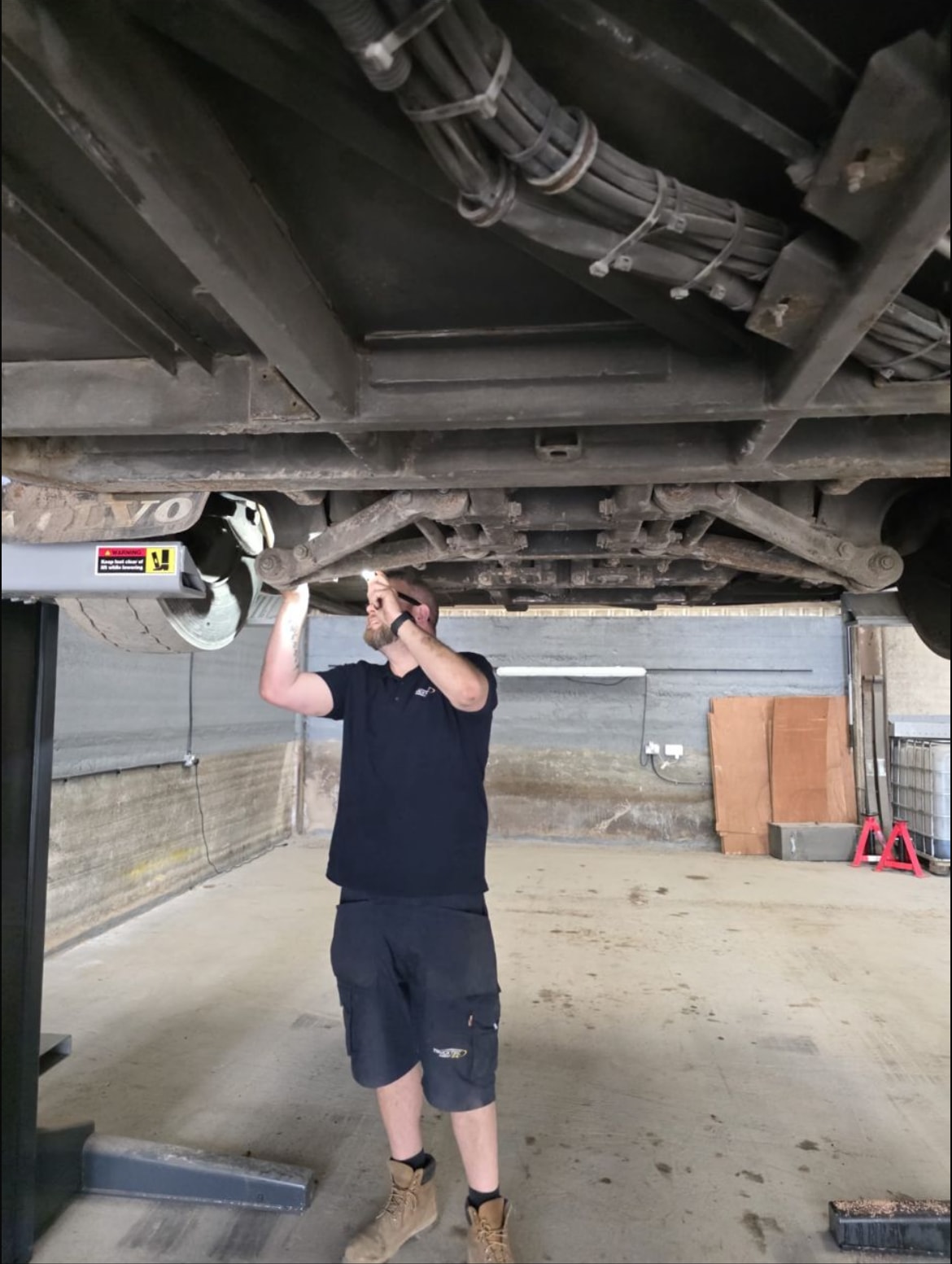
A brake can look fine and still underperform. Seized adjusters, contaminated linings, a sticking valve or an air leak can all reduce stopping power without anything obvious to see. That is why DVSA expects brake performance to be assessed at every safety inspection, not just a visual check of the parts.
Our guide to brake testing for HGVs and trailers explains the standards in more detail.
What we test and repair
- Air systems. Compressors, dryers, reservoirs, valves and pipework, and the leaks that drag pressure down. Air faults are behind a lot of brake problems, as our air system guide explains.
- Foundation brakes. Pads, discs, drums, shoes, chambers, slack adjusters and the wear items that go with them.
- Trailer brakes. Couplings, relay valves and trailer air brake faults, which are one of the most common reasons a trailer won't move. See trailer air brake faults.
- Parking brakes. Spring brakes and the faults that stop them releasing or holding.
After any brake repair we recheck the system before the vehicle goes back into service, and record what was done.
Brake faults at the roadside
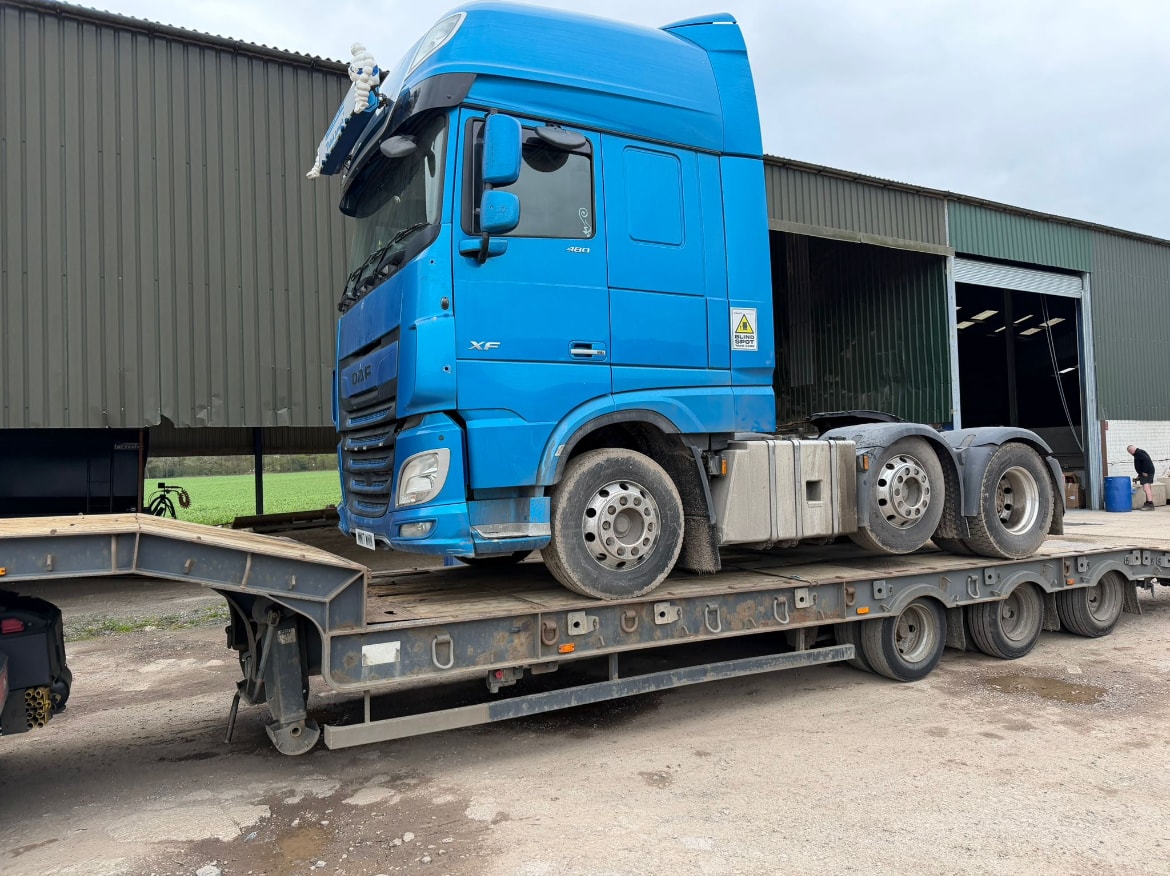
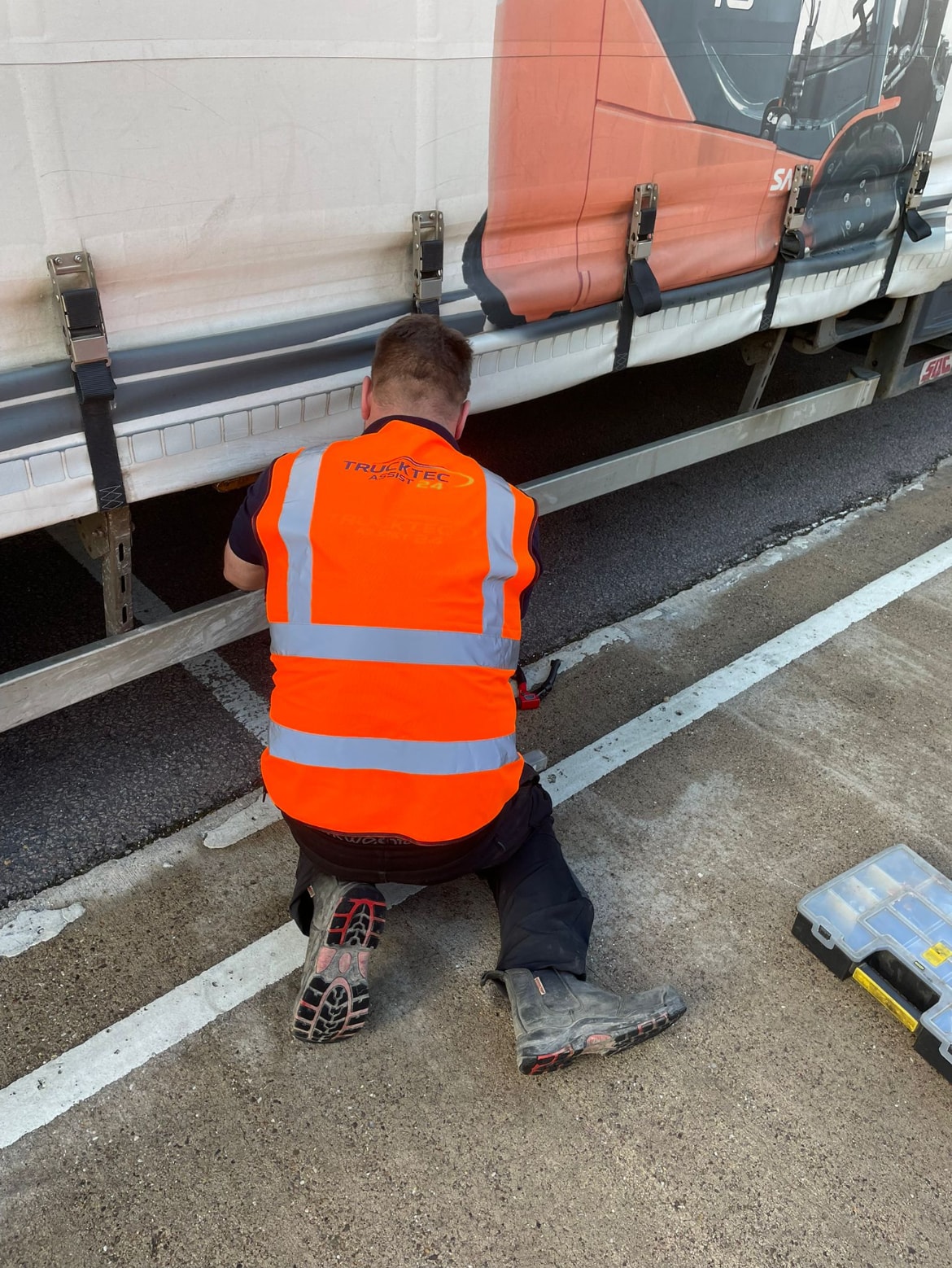
A brake fault on the road is one of the situations where you should stop rather than push on. Ring our 24/7 line on 01332 916028. Our technicians can diagnose and fix many air and brake faults where the vehicle stands, and recover it safely when they can't. See 24/7 emergency breakdown and recovery.
Part of your inspection routine
For most operators, brake testing is part of their PMI safety inspections and annual test preparation rather than a separate job. Booking it that way means one visit, one set of paperwork and a vehicle that has been checked properly before it is tested.
Warning signs of a brake problem
Drivers usually notice brake trouble before anything fails. Take any of these seriously:
- the vehicle pulling to one side under braking
- a brake that feels spongy, grabby or slower to respond
- air pressure that drops quickly or takes longer to build
- a low air warning or a buzzer that won't clear
- noise, smell or smoke from a wheel
- a trailer that won't release its brakes, or drags
If you see one of these on the road, stop somewhere safe and ring us on 01332 916028.
Moisture, cold and the air system
Air brake systems don't like water. Moisture that gets past a worn air dryer can freeze in valves and pipework in cold weather, and cause corrosion and sticking valves the rest of the year. Keeping the air dryer serviced and draining reservoirs as part of the maintenance plan prevents a lot of winter brake faults. It is one of the things we look at during servicing.
Brakes and the annual test
Brake performance is one of the main things tested at the annual test, and one of the most common reasons vehicles fail it. Testing and repairing brakes as part of MOT preparation means the vehicle goes to the test with brakes that have already been checked.
Booking brake work
Ring 01332 916028 or use the form below with the vehicle, its registration and the symptoms if there is a fault. The workshop is at Melbourne, near Derby, and open for planned work Monday to Friday, 07:30 to 17:00.