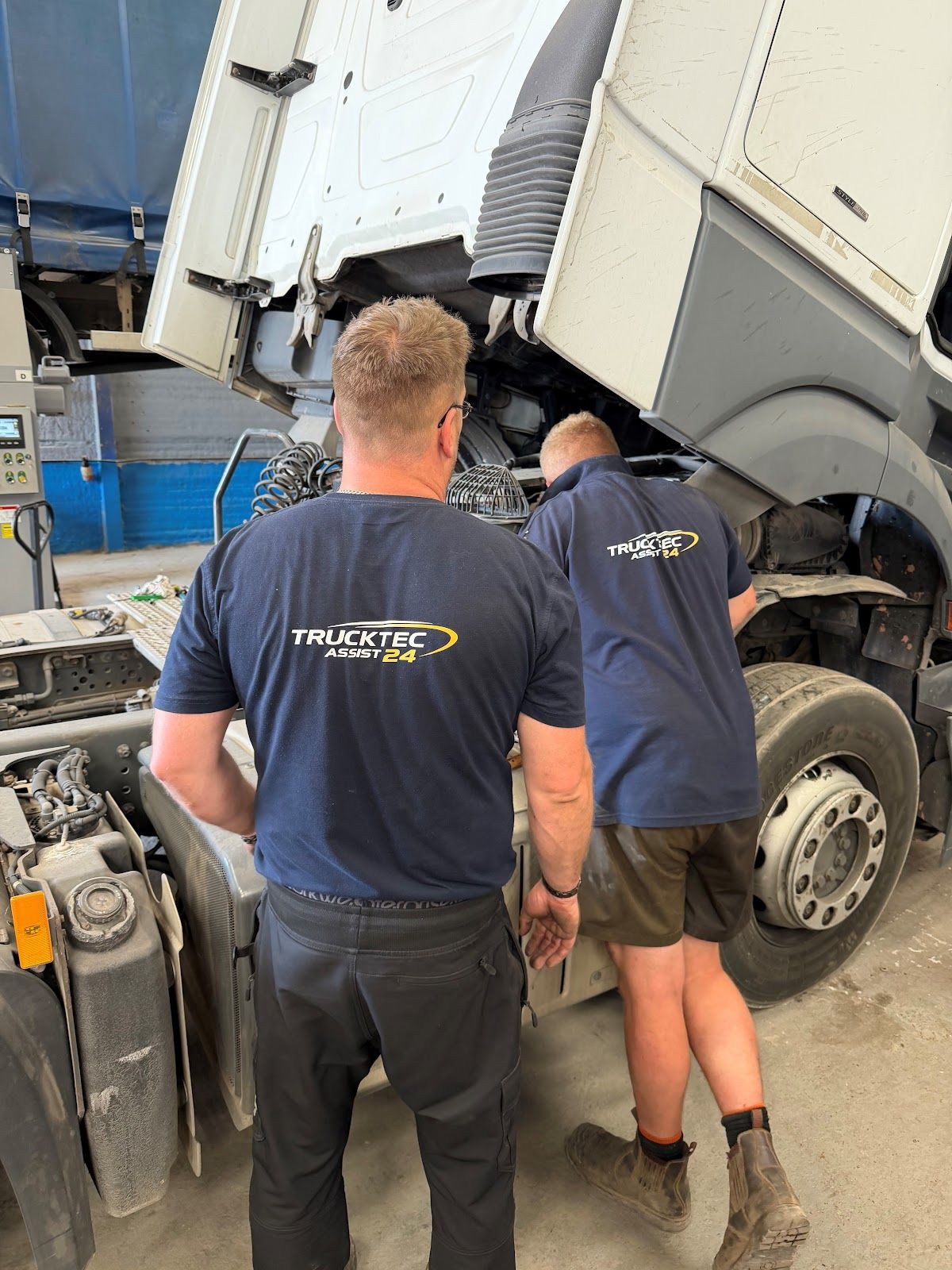
Find the cause, then fix it
Modern commercial vehicles are full of sensors, control units and wiring, and the same warning light can have half a dozen causes. Replacing parts on a guess is expensive and often doesn't work. Proper fault finding means reading what the vehicle is telling us, testing the system, and confirming the cause before anything is replaced.
What we diagnose
- Engine faults and derates. Warning lights, loss of power, emissions faults and the limp modes that strand a vehicle.
- Electrical faults. Wiring, connectors, lighting and charging problems. See electrical faults on HGVs and alternator and battery checks.
- No-starts and fuel problems. Fuel contamination, air in the system and the faults that show up on cold mornings. See no-start and fuel contamination.
- Air and brake faults. Pressure loss, valve faults and warnings from the brake system. See air system faults.
- Drivetrain faults. Clutch and gearbox warnings and the symptoms that come before a failure. See clutch failure on HGVs and gearbox and transmission faults.
- Cooling problems. Overheating and coolant loss. See coolant system faults.
Intermittent faults
The hardest faults are the ones that come and go. A light that appears on long runs and clears overnight, or a derate that only happens under load, needs patience and a methodical approach. Tell us when it happens, how often and what the driver notices, and we will build a picture before we start taking things apart.
At the roadside or in the workshop
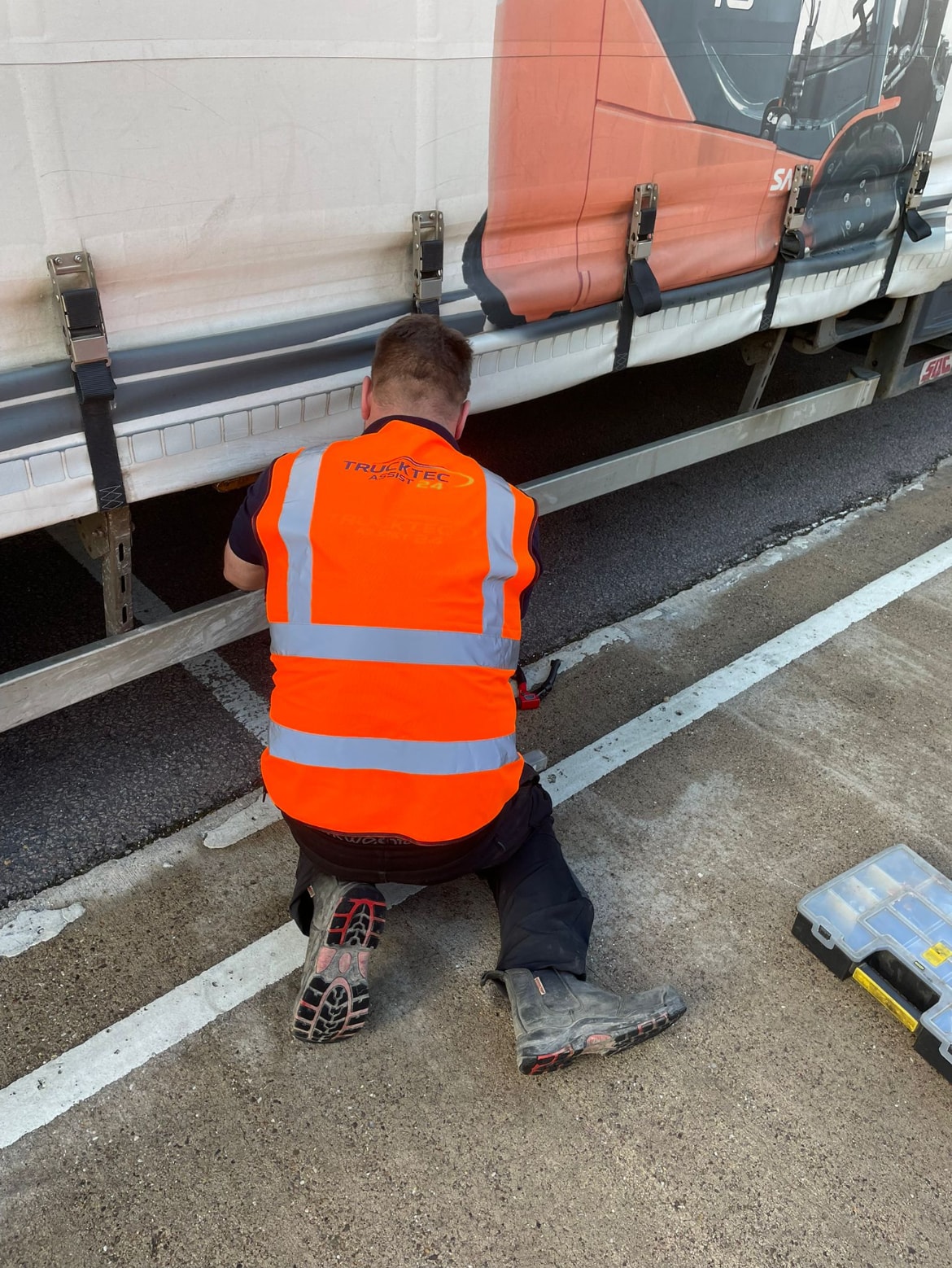
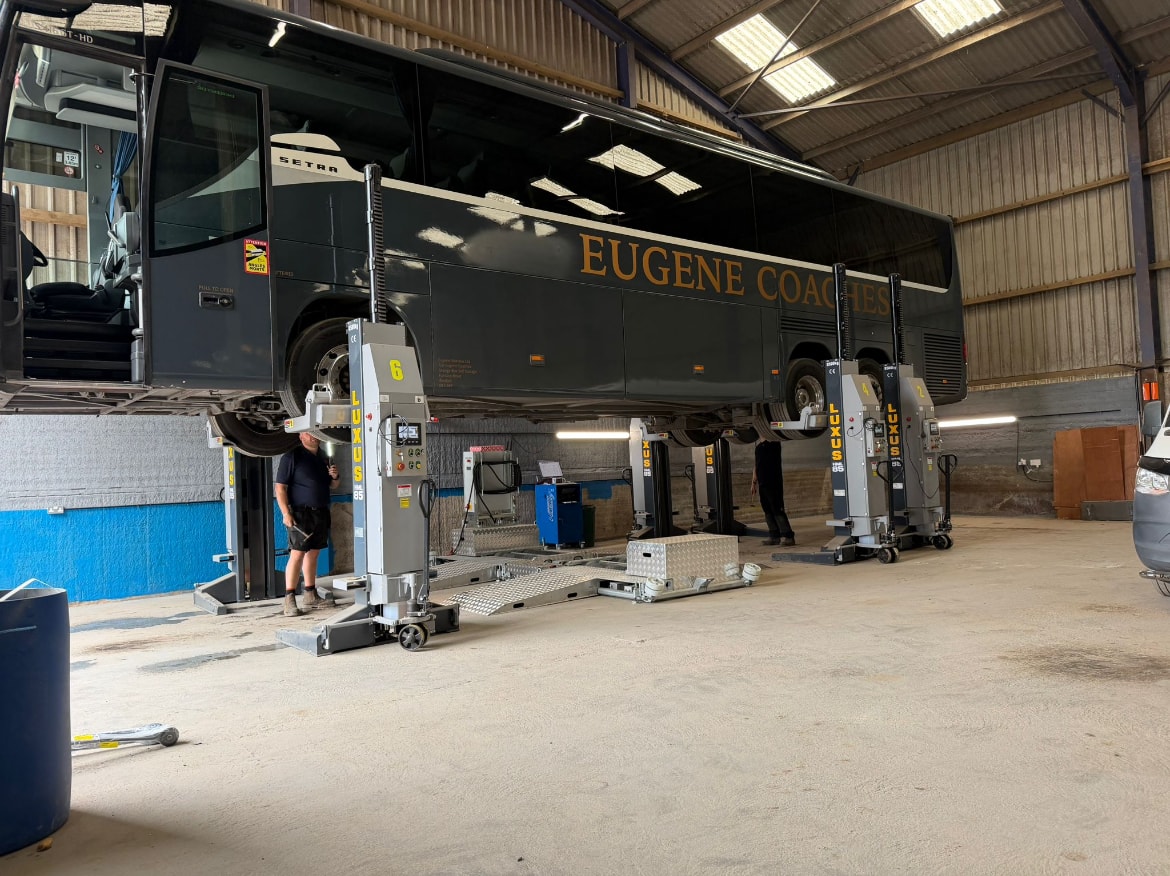
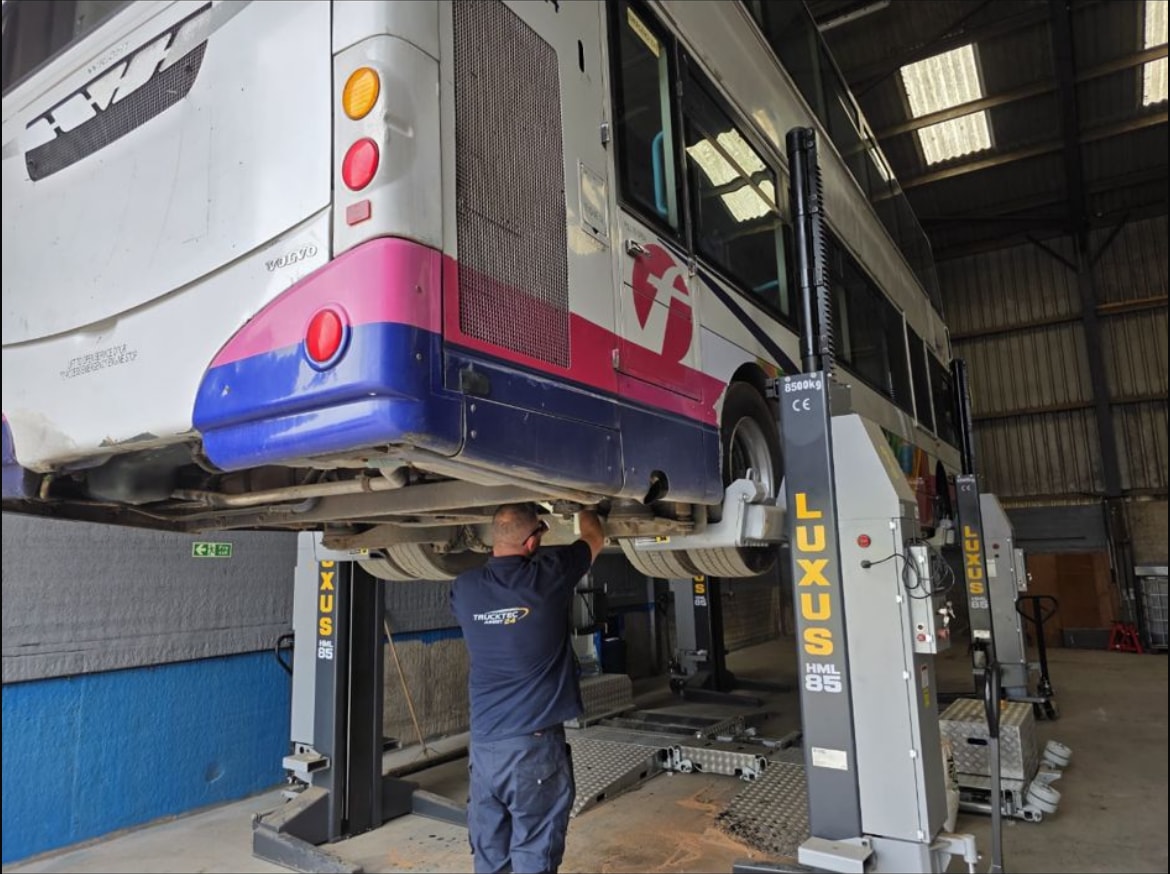
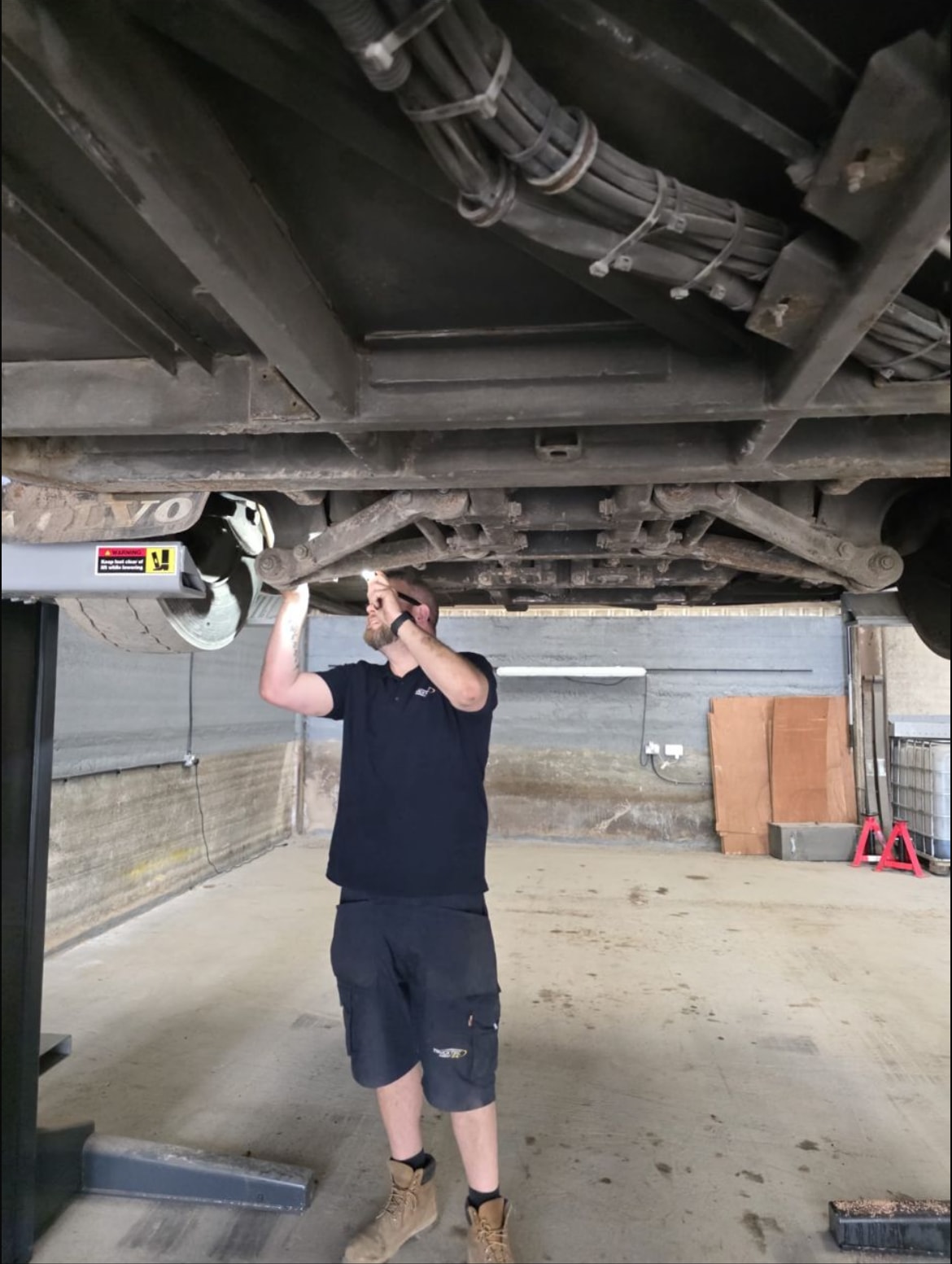
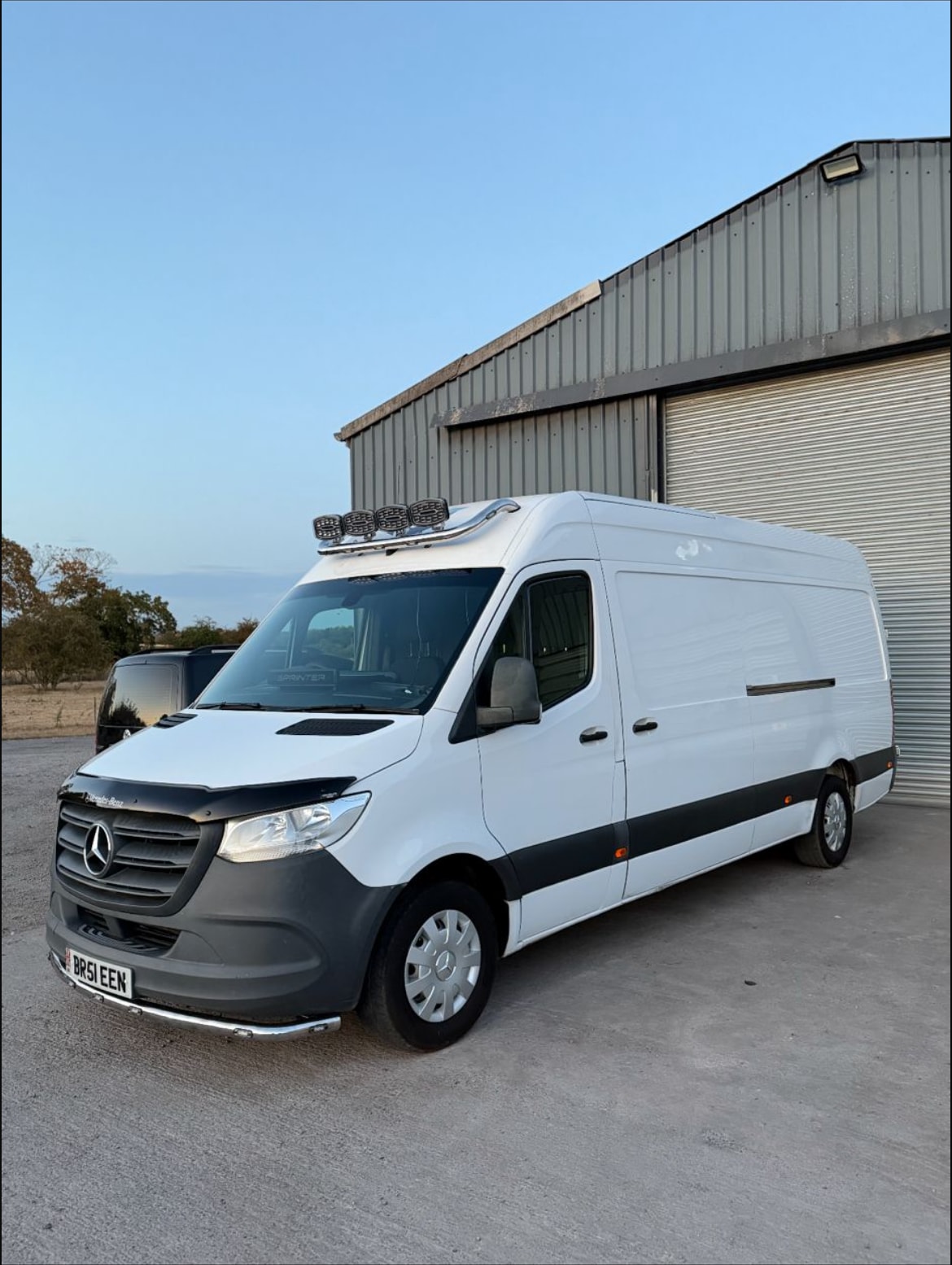
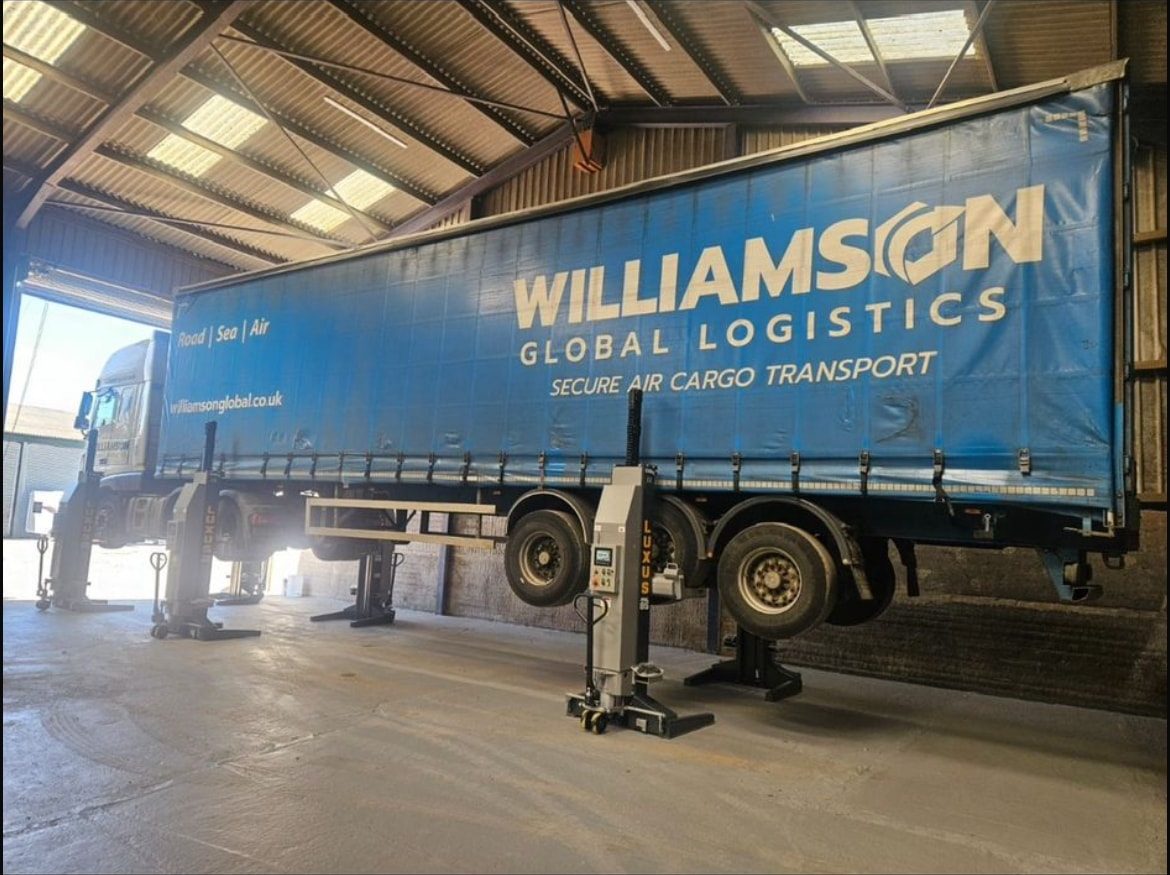
Our technicians carry diagnostic equipment, so many faults can be found and fixed where the vehicle stops. See mobile on-site repairs. When a fault needs more time or the vehicle needs to be on lifts, we bring it into the workshop at Melbourne.
Straight answers
If a fault can't be confirmed, or a repair is a temporary measure to get you home, you are told that while the technician is still next to the vehicle. You will always know what we found, what we did and what still needs attention.
Emissions and AdBlue faults
A lot of modern breakdowns are emissions faults rather than mechanical ones. AdBlue system problems, sensor faults and exhaust after-treatment issues can put a vehicle into a reduced power mode with very little warning. Finding the actual cause matters, because topping up AdBlue or clearing a code rarely fixes a fault that has a reason behind it.
What to tell us before we diagnose
A good description speeds up diagnosis and cuts the cost. Before you ring, try to find out:
- which warning lights are on, or a photo of the dashboard
- when the fault happens: cold, hot, under load, at idle or at speed
- whether it is constant or comes and goes
- anything that changed recently, such as a refuel, a repair or a new trailer
- what the driver heard, smelt or felt
Diagnosis that prevents the next fault
The best outcome of a diagnosis is a vehicle that doesn't come back with the same problem. If the cause points to wear elsewhere, or a fault that will recur, we tell you, so it can be dealt with at the next service rather than at the roadside.
Booking diagnostics
Ring 01332 916028 with the vehicle and what it is doing. For a fault on the road, the line is answered 24 hours a day.